Verizon Connect and Adiona grew from entirely different directions. Adiona focused on the routing problem, solved it, and then continued to build for delivery operations as a whole. On the other hand, Verizon Connect added route optimization onto their existing telematics and GPS fleet tracking system.
When choosing between these two platforms, the right one for you will depend on what problem you're trying to solve.
What Adiona actually is
Adiona is an optimization engine built for delivery operations. It started with routing as the main area of improvement, accounting for stop density, delivery windows, vehicle type, and payload. That distinction matters most for B2B fleets running high-density metro deliveries, Pick Up Drop Off (PUDO) models, or electric vehicles, where the routing decision itself carries real cost and service implications.
Adiona is hardware-agnostic and runs from mobile devices and existing data feeds, so it doesn't require new hardware or displacing a telematics system already in place. In practice, many fleets run Adiona alongside their existing telematics, so Adiona plans the route, and the telematics platform confirms what happened against it. For more on how the two layers work together rather than compete, see our piece on route optimization vs. telematics.
After building a robust routing engine that works even for highly specialised edge cases, Adiona expanded into Dispatch, live Control Tower tracking, dynamic response to route interruptions, customer and driver comms, and more.
What Verizon Connect actually is
Verizon Connect is a fleet management and telematics platform. Route optimization is handled through its RouteCloud algorithm, which evaluates route options using cloud-based computing layered on top of the telematics data the platform already collects for tracking purposes.
It serves a broad spread of industries, including construction, government, agriculture, and field service, along with delivery and logistics. Their breadth is also their tradeoff. A platform built to serve every industry at once is built for general-purpose routing, not for the density, payload, and constraint complexity that high-volume B2B delivery specifically demands.
How the depth of routing compares
This is where the two platforms diverge most in practice. Verizon Connect's routing is one module inside a broader telematics suite, built to handle routine, moderate-complexity routing across varied industries. Adiona's optimization engine is purpose-built to handle 100,000+ stops in minutes, with algorithms specifically tuned for high-density, high-constraint B2B logistics. This is where a general-purpose routing module tends to hit its limits.
Adiona also includes a Fleet Simulator, letting teams model the impact of a new customer, a depot relocation, or an EV transition before committing to it. Verizon Connect doesn't offer an equivalent scenario-modeling tool. Instead, it confirms what is happening now, not figuring out what happens next. Across Adiona's customer base, optimization has helped avoid more than 58 million miles of unnecessary driving and prevented an estimated 45,000 tonnes of CO2 emissions. These results come from the platform's routing depth, a depth Verizon Connect doesn’t possess.
How compliance and reporting compare
Adiona’s EmissionSense module produces emissions reporting down to the individual parcel level, using payload data the routing engine already has. That's a level of granularity a fuel-and-distance-based telematics estimate can't replicate, because telematics has no visibility into what was actually on the truck for any given stop. Whereas Verizon Connect's ELD integration and dashcam footage give fleets a different compliance and safety layer.
How pricing compares
Adiona charges based on the number of stops per month, with unlimited seats and every feature included on all plans. Costs scale predictably with fleet size, not activity.
Verizon Connect's pricing isn't published. It's typically quoted per fleet through a sales process, and usually includes a hardware and installation cost for the GPS units themselves.
Two fleets, two different needs
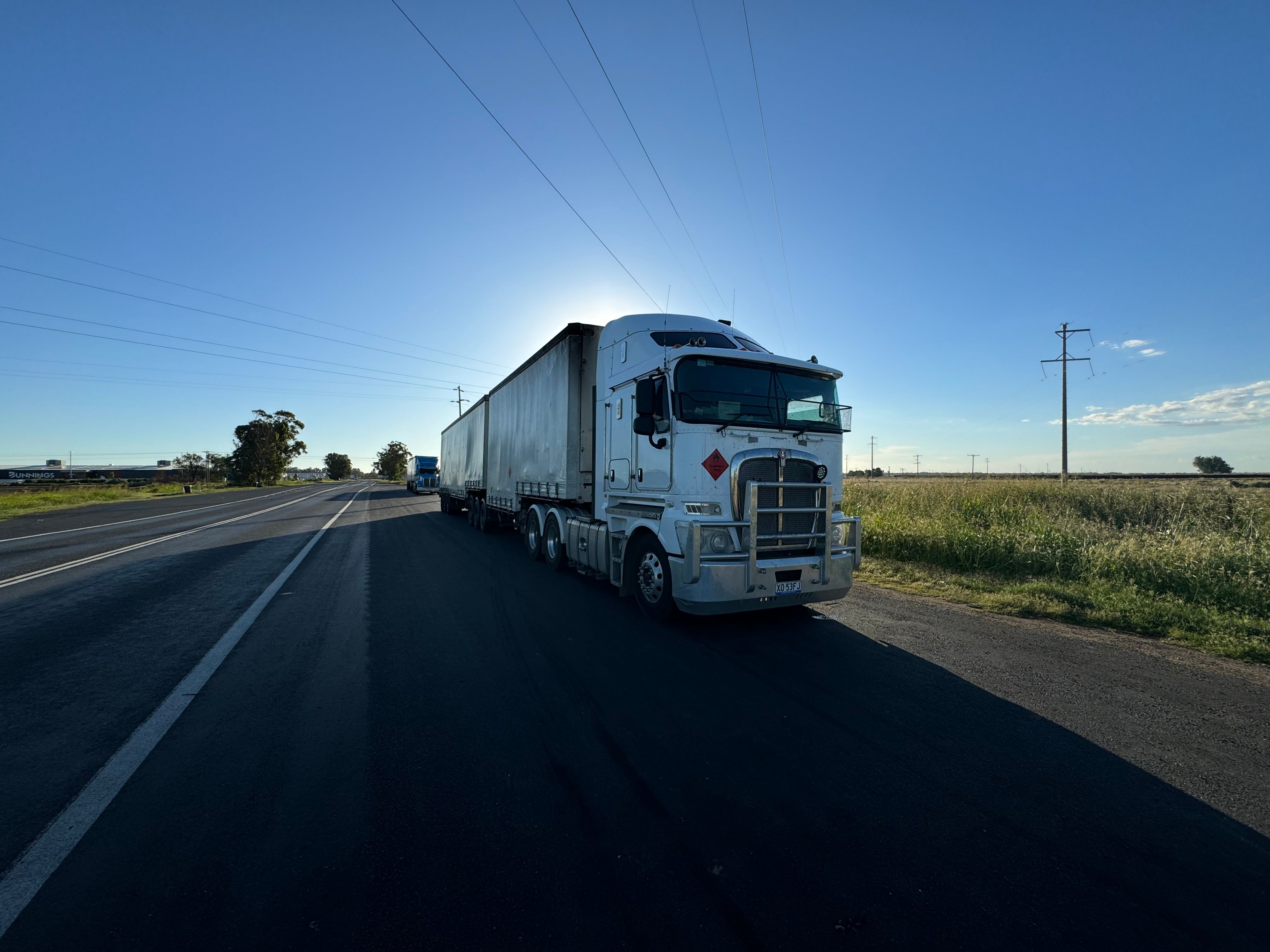
A construction company running a mixed fleet of trucks and equipment across scattered job sites has different priorities than a same-day courier network running dense B2B routes through a metro area. The first needs to know where every vehicle is, whether it's due for maintenance, and whether drivers are compliant with Hours of Service rules as this is what Verizon Connect is built for. The second needs every stop sequenced against tight delivery windows, vehicle capacity, and payload, where a small routing improvement compounds into real cost and service gains at scale which is what Adiona is built for.
StarTrack Courier, Australia Post's same-day delivery business, is a working example of the second case. It uses Adiona to plan and optimize routes across strict service-level deliveries, including time-critical shipments. Routes that once took eight hours were replanned down to seven.
Verizon Connect vs Adiona: Which is right for your fleet?
If routing quality is the lever that most affects your cost, service reliability, and ability to scale a high-volume B2B delivery operation, Adiona's purpose-built optimization engine is the stronger fit, and it can run alongside whatever telematics system you already have rather than replacing it. Once you've fixed up your routing, expanding into the next stages of delivery operations optimization is easy too.
If your priority is broad fleet visibility, driver safety monitoring, and compliance across a mixed vehicle fleet, especially when it's not pure delivery logistics then Verizon Connect platform could be better for you.
FAQ
Does Verizon Connect do route optimization? Yes, through its RouteCloud algorithm, which evaluates routes using the same telematics data the platform already collects. It's built to handle general fleet routing across varied industries rather than high-density, high-constraint B2B logistics specifically.
Do I need to remove Verizon Connect to use Adiona? No. Adiona is hardware-agnostic and runs from mobile devices and existing data feeds, so it can operate alongside an existing telematics deployment rather than replacing it.
Is Verizon Connect or Adiona better for last-mile delivery? Adiona is purpose-built for high-density B2B delivery, PUDO models, and electric vehicle routing. Verizon Connect is built as a broader telematics platform serving many industries, with routing as one feature among several.
Does Verizon Connect offer emissions reporting? Verizon Connect's platform is centered on GPS tracking, diagnostics, and compliance rather than parcel-level emissions attribution. Adiona's EmissionSense module produces Scope 3 emissions reporting down to the individual parcel, using the payload data already present in the route plan.
See it for yourself
Adiona offers interactive demos pre-loaded with real-world scenarios our software is used for. Try it out for yourself now, or get full access to the platform free for 14 days to test it on your own routes.