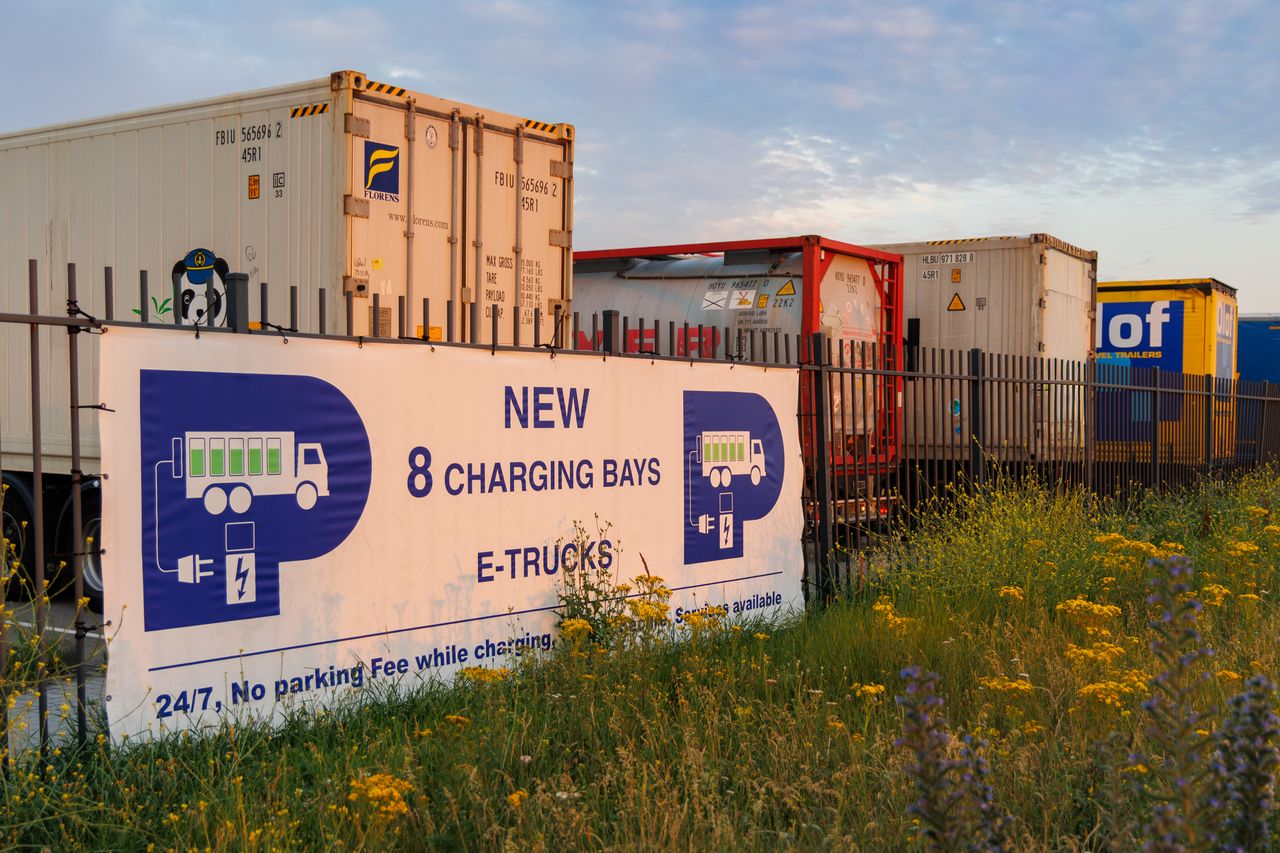
Green logistics is the practice of a company, any company, evaluating their entire supply chain from a sustainability lens. This includes procurement, suppliers, manufacturing of their products, hiring practices, and much more. Obviously, traditional logistics also falls under this banner.
When it comes to traditional logistics, conversations surrounding green logistics often focus on altering the vehicle, which usually includes making vehicle purchases and causes impact to timelines and budgets. The routes these vehicles traverse (whether new or old vehicles) are often left untouched. However, with a shorter, better-sequenced route burning less fuel and emitting less carbon regardless of the vehicle's power source, huge emissions savings are up for grabs.
Adiona's route optimization software treats emissions as a routing variable from the outset rather than an afterthought.
Reduced emissions: A byproduct of route optimization
Every kilometre a vehicle doesn't have to drive is emissions it doesn't emit, so optimising for delivery speed or scheduling efficiency tends to cut emissions right along with it, without even trying.
For Coca-Cola Europacific Partners, manual scheduling meant routes weren't built around actual demand or geography, just habit and driver memory. After moving to a customized instance of FlexOps, CCEP saw a 22% average reduction in delivery drive time and a 90% reduction in manual scheduling time, alongside a 21% increase in SKU units per vending machine, detailed in our route optimization case study for vending. Less drive time for the same or higher output is the whole green logistics equation, the emissions reduction was a side effect of better routing.
Routing for lowest distance and emissions
The shortest distance and lowest emission routes aren't always the same. For example, a route with fewer kilometres but more stop-start traffic, more idling at lights, or more loaded uphill sections can emit more than a slightly longer route that runs smoother. This is why Adiona treats "optimization" as configurable rather than fixed; what's best for one fleet's goals isn't automatically best for another's. These concepts are covered in more detail in our piece on sustainable logistics and green transportation solutions.
FlexOps can optimize specifically for emissions rather than defaulting to distance or time, accounting for fuel consumption, idling, congestion, and payload weight, and even sequencing deliveries to offload heavier cargo first so the vehicle is carrying less weight for more of the route. For fleets that have already committed to an emissions target, that's the difference between a route optimiszd for convenience that happens to also help emissions, and a route built against the target directly.
Measuring what you're actually emitting
Reporting requirements
You can't reduce what you haven't measured, and this is where most logistics businesses get stuck. Scope 1, 2, and 3 reporting requirements are tightening across Australia, and for a delivery fleet, most of the reportable footprint sits in Scope 1: the fuel burned by vehicles you operate directly. EmissionSense pulls emissions data straight out of FlexOps route data and vehicle data, without needing separate hardware or a parallel reporting system, and works across ICE and EV fleets, accounting for vehicle model, fuel consumption, and route specifics.
Reporting specificity as a competitive advantage
The part that matters for B2B logistics providers specifically is granularity. EmissionSense reports down to the individual parcel level, which means a logistics business can segment emissions by customer, not just report a single fleet-wide number. Large shippers now score logistics vendors on their own Scope 3 footprint, which makes a supplier's ability to hand over precise, customer-level emissions data a qualifying criterion rather than a nice-to-have. Our explainer on logistics ESG commitments breaks down what Scope 1, 2, and 3 actually mean for a delivery business, and our piece on offering emissions reporting to logistics customers covers why this has shifted from compliance checkbox to competitive advantage.
Multi-modal fleets as an emissions lever
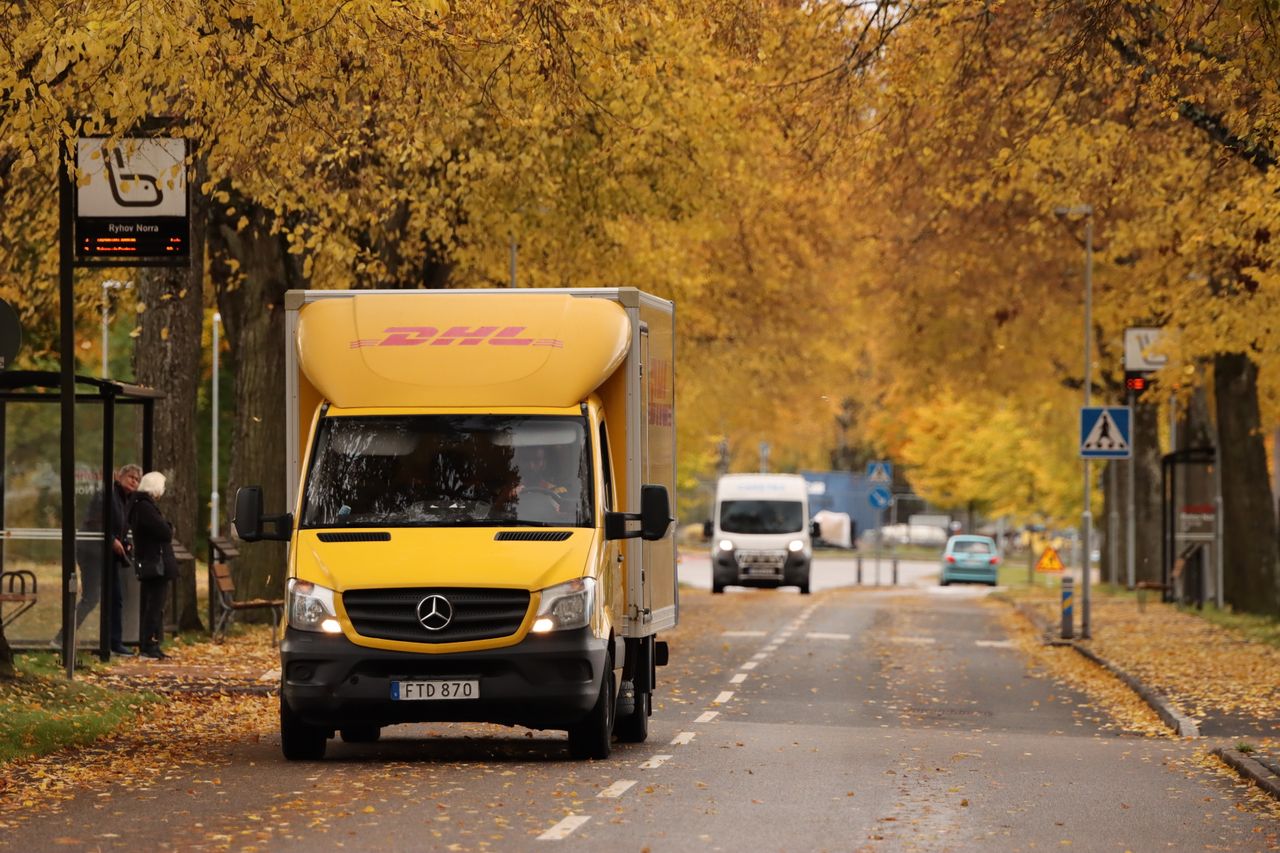
For the right delivery density cargo bikes, e-bikes, and walking deliveries are legitimate emissions reduction levers, not just a way to dodge pedestrian zones. Adiona's Fleet Simulator models exactly this kind of mixed-fleet transition. A parcel distributor targeting Net Zero might use cargo bikes in dense short-range areas, battery electric vans and trucks within 200km of a depot, and hydrogen fuel cell vehicles for longer depot-to-depot distances, then run simulations to see which combination hits the target at the lowest total cost of ownership. The simulator identifies the low-hanging fruit first, this includes the routes and depots that can shift to a lower-emissions vehicle type, with the least disruption to service levels.
EV transitions based on route data
Electrification is the highest-profile green logistics move a fleet can make, and also the easiest one to get wrong by ordering the wrong vehicles for the wrong routes. Richard Savoie, Adiona's CEO, made the underlying point directly in an interview with Fleet HV News on route optimization for electric fleets: "By optimising for an electric fleet, operators can save time and money in their charging infrastructure as well, maximizing dwell times in charging locations, and requiring lower-powered chargers."
A straight vehicle swap often misses this. An EV routed like a diesel van wastes range on inefficient sequencing and creates charging bottlenecks that a smarter route plan would have avoided. FlexOps for EVs accounts for battery performance across load, temperature, and altitude, and Fleet Simulator lets a fleet calculate total cost of ownership across ICE, hydrogen fuel cell, and battery electric options before a single vehicle is purchased. If you're earlier in the process, our guide to planning an EV pilot covers the data and benchmarking most fleets skip before committing capital, and it's also where we go deeper on regional trends in fleet electrification specific to Australia.
The quiet-vehicle bonus nobody plans for
One EV benefit rarely makes it into the business case -- noise. Electric vehicles are quiet enough to run during hours that diesel fleets are locked out of due to residential noise restrictions, opening up night or early-morning shift windows a combustion fleet simply can't use. That's not a sustainability metric on paper, but it's a genuine operational upside that only shows up once a fleet has already made the switch, which is exactly the kind of downstream effect Fleet Simulator is built to model before the purchase decision rather than discover after it. For more information about how EVs change shifts see here.
Frequently asked questions
Does route optimization actually reduce emissions, or just cost?
Both, usually at the same time. Distance and fuel consumption are the two biggest drivers of Scope 1 emissions for a delivery fleet, and they're also the two biggest drivers of operating cost. A route optimised for either target tends to improve the other.
What's the fastest way to start measuring fleet emissions?
Start with Scope 1: the fuel burned by vehicles the business operates directly. It's the most straightforward to calculate and the one a fleet has the most direct control over, before tackling the more complex Scope 3 reporting further down the supply chain.
Is fleet electrification the only way to run a green logistics operation?
No. Route optimization reduces emissions regardless of what's powering the fleet, and multi-modal options like cargo bikes and walking delivery can cut emissions in dense urban areas without any vehicle purchase at all. Electrification is one lever among several, not a prerequisite.
How specific can emissions reporting actually get?
Down to the individual parcel, when the underlying route and vehicle data supports it. That's granular enough to segment emissions by customer, which matters increasingly for B2B logistics providers being scored on their own supply chain's carbon footprint.
See what a lower-emissions version of your own routes looks like. Try Adiona's sandbox environment and simulate the difference before committing to anything, completely free and access to every feature for 14 days.